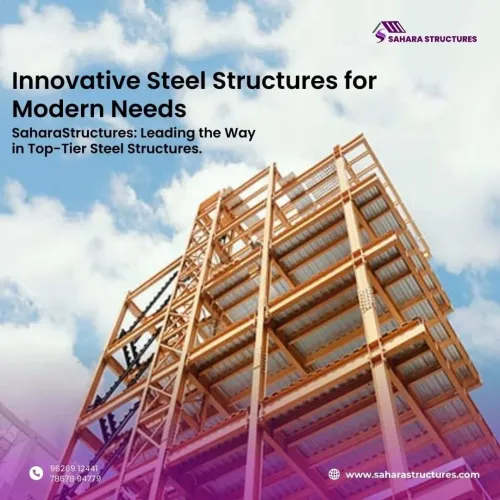
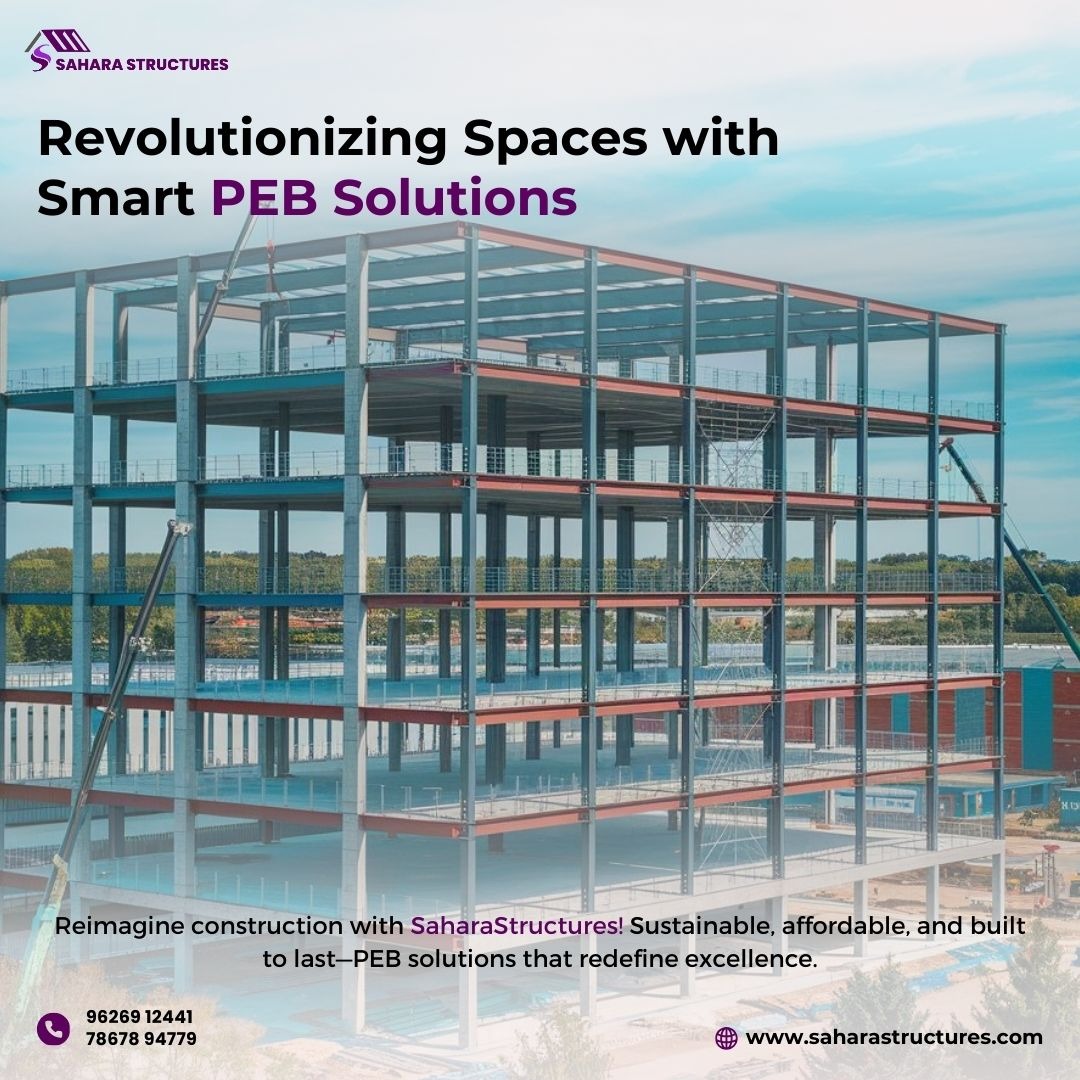
Planning a Multi Storey Building requires a different engineering approach from designing a single-level industrial shed. Floor loads, vertical circulation, structural stability, services, fire requirements, vibration, façade interfaces, and construction sequencing all become increasingly important as additional levels are introduced.
Steel construction can be considered for selected multi-storey applications, but its suitability should be evaluated against the actual building requirements.
Why Consider Structural Steel?
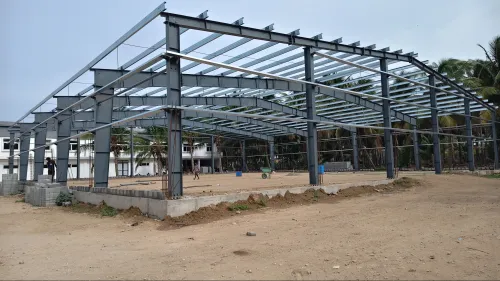
One practical characteristic of steel construction is the ability to fabricate structural components before they are assembled at the project site.
This can support organized construction sequencing where the design has been properly coordinated.
Steel framing can also be useful where projects require adaptable internal layouts, specific spans, or integration with industrial operations.
Applications may include industrial buildings with multiple production levels, commercial facilities, office components within industrial campuses, and buildings combining storage, processing, and administrative functions.
Floor Loads Need Accurate Definition
Not every floor carries the same load.
An office floor, equipment platform, storage level, and production floor can have very different structural requirements.
Before structural design, project teams should identify:
- Intended use of each floor
- Equipment locations
- Storage requirements
- Material movement
- Floor finishes
- Service loads
- Possible future changes
Underestimating operational loads can create serious design problems, while unrealistic assumptions can make a structure unnecessarily heavy.
Stability Becomes More Important
As building height increases, engineers must evaluate the overall stability system carefully.
Columns, beams, bracing, connections, floor systems, and foundations work together to transfer vertical and lateral loads safely.
Architectural decisions such as large openings or uninterrupted façades can interact with the locations needed for structural bracing.
This is why structural and architectural planning should proceed together.
Coordinate Stairs and Vertical Movement
A multi-level industrial building may need stairs, lifts, material lifts, conveyors, or other vertical transport systems.
Their openings and support requirements affect the structural floor arrangement.
Material movement is particularly important. A production facility that frequently transfers heavy goods between floors requires a very different circulation strategy from an office building.
Services Require Space
Electrical systems, plumbing, fire services, ventilation, HVAC, process utilities, and cable routes all compete for space with structural members.
Early coordination can reduce the need for site modifications.
Cutting or altering a structural member later simply because a service route was not planned is not an acceptable substitute for coordinated design.
Fire and Regulatory Requirements Must Be Addressed
Multi-storey buildings can have complex life-safety and regulatory requirements depending on occupancy, height, area, and use.
Fire resistance, escape routes, staircases, access, compartmentation, and protection systems should be developed with qualified consultants according to applicable regulations.
These requirements can also influence structural material protection and architectural design.
Is Steel Right for Your Project?
The answer depends on building use, geometry, loads, construction programme, architectural needs, site constraints, and project economics.
For developments in Coimbatore and elsewhere in Tamil Nadu, SAHARA STRUCTURES can assess multi-level steel-building requirements alongside PEB, fabrication, and structural engineering considerations.
The decision should be made at the system level rather than simply comparing the cost of individual structural members. A multi-storey steel building performs successfully when architecture, engineering, floors, services, circulation, fire safety, fabrication, and erection are coordinated as one project.
Keywords