
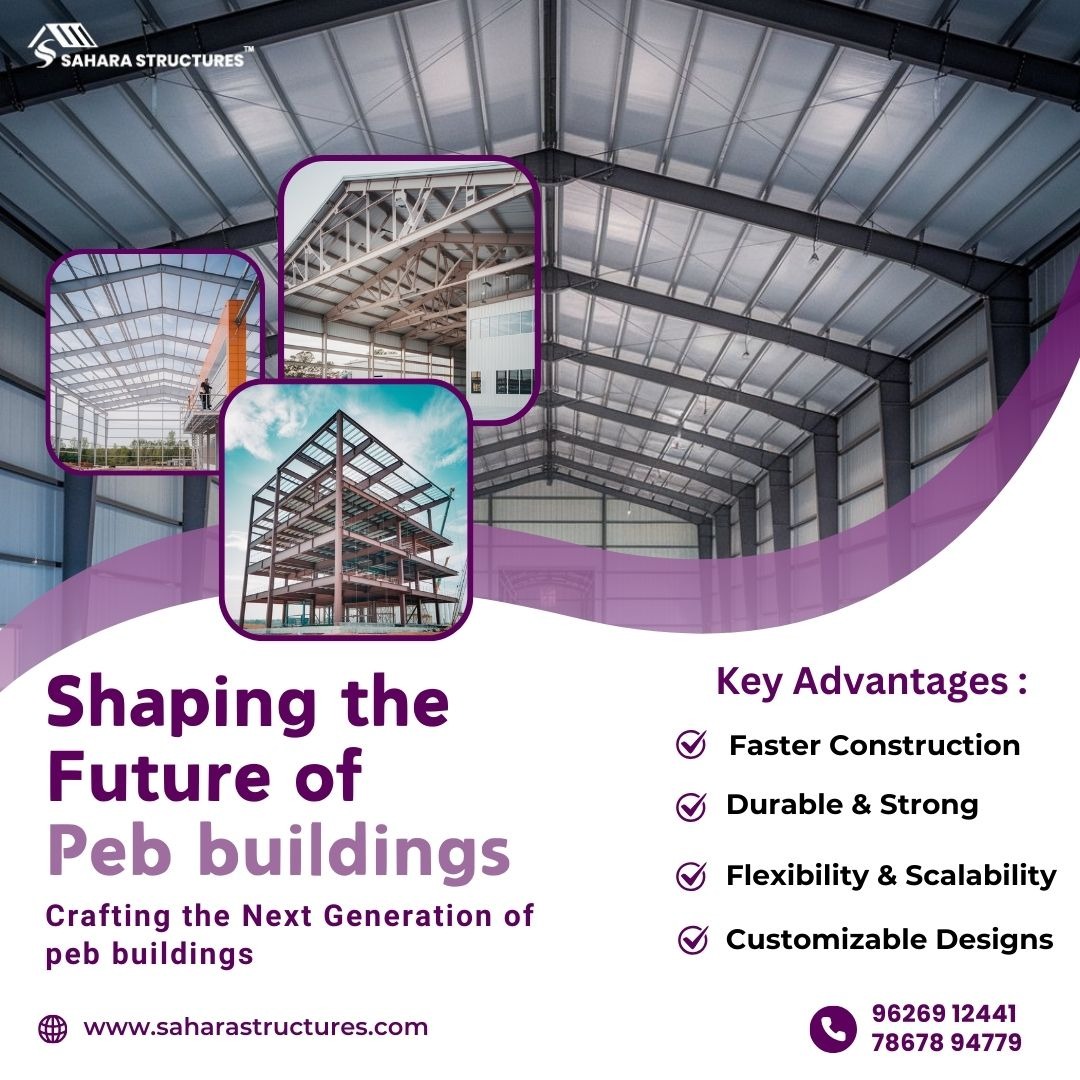
Choosing a Roofing Shed system often involves comparing steel-based construction with conventional building methods. The decision should not be reduced to which option appears cheaper at the quotation stage.
Industrial owners need to consider building use, span, construction sequence, expansion requirements, maintenance, services, and overall project conditions.
Where Steel Roofing Sheds Have an Advantage
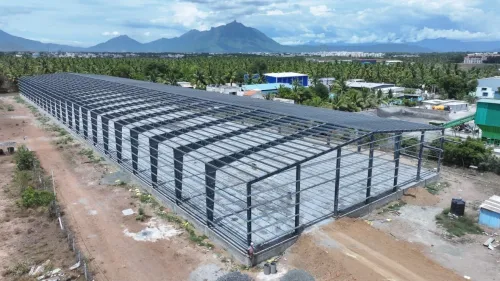
Steel sheds are widely used for industrial applications because they can provide substantial covered working space without the heavy wall systems associated with some conventional buildings.
They are commonly considered for:
- Manufacturing units
- Storage facilities
- Engineering workshops
- Loading areas
- Vehicle parking
- Raw-material yards
- Fabrication facilities
- Utility buildings
For businesses in Coimbatore's industrial areas, these structures can be particularly useful where practical floor space and rapid site assembly are priorities.
Compare Construction Processes, Not Just Materials
A conventional building and a PEB shed follow different construction sequences.
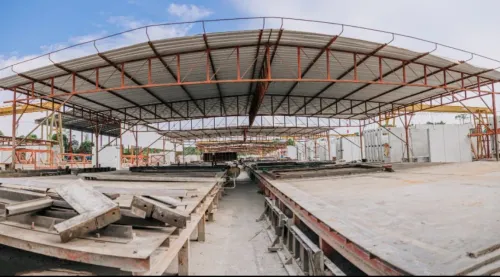
In a PEB project, structural engineering and fabrication can take place while certain site activities progress separately. Components are then transported for erection.
This can reduce some site-based fabrication, although actual project schedules still depend on approvals, foundations, design changes, material availability, access, weather, and erection conditions.
Conventional construction may be appropriate where masonry, reinforced concrete, or particular architectural requirements dominate the project.
Clear Span Can Influence the Decision
Large uninterrupted working areas are valuable in factories and warehouses.
Steel framing can provide practical solutions for wider spans, depending on engineering requirements. This can reduce obstacles to production layouts, storage racks, cranes, and vehicle movement.
However, increasing span affects structural design. The largest possible clear span is not automatically the most economical solution.
The correct span is the one that balances operations with structural efficiency.
Evaluate Thermal Performance
A metal roof exposed to strong sunlight can influence indoor conditions.
Depending on building use, owners may consider insulation systems, ventilators, daylight arrangements, or other thermal-control measures.
Coimbatore and many parts of Tamil Nadu experience warm conditions for much of the year, so roofing specification should reflect occupancy and operational requirements.
A warehouse storing non-sensitive industrial goods may have different needs from a production facility occupied throughout the working day.
Maintenance Should Be Part of the Comparison
All buildings require maintenance.
For steel roofing, periodic attention may include fasteners, flashings, gutters, drainage, sealants, coatings, and areas exposed to corrosion risks.
Good detailing and correct installation are important because small roofing defects can become operational problems when water reaches machinery or stored materials.
What About Future Expansion?
Industrial businesses often need additional production or storage space as operations grow.
A steel building may offer practical expansion possibilities when future growth has been anticipated in the original design.
Site availability, frame configuration, end-wall design, utilities, and drainage still need consideration. Expansion should never be assumed to be effortless merely because the building uses steel.
Which Option Should You Choose?
Choose according to the actual facility rather than a generic comparison.
Consider:
- Required span and height
- Building use
- Machinery and crane loads
- Construction programme
- Architectural requirements
- Thermal performance
- Future expansion
- Maintenance expectations
- Site constraints
- Overall project cost
For industrial projects in Coimbatore, SAHARA STRUCTURES can evaluate steel shed requirements alongside PEB engineering and fabrication considerations.
The best roofing shed is not necessarily the lightest, largest, or least expensive structure. It is the system that provides appropriate structural performance while supporting the activities taking place beneath it.